The Hidden Curriculum of Hardship: Why Your Toughest Times Made You Stronger Than You Think
Does hardship really make you stronger — or does it just leave scars? Explore the surprising psychology of resilience and discover why your toughest, hardest chapters are often your most formative ones.
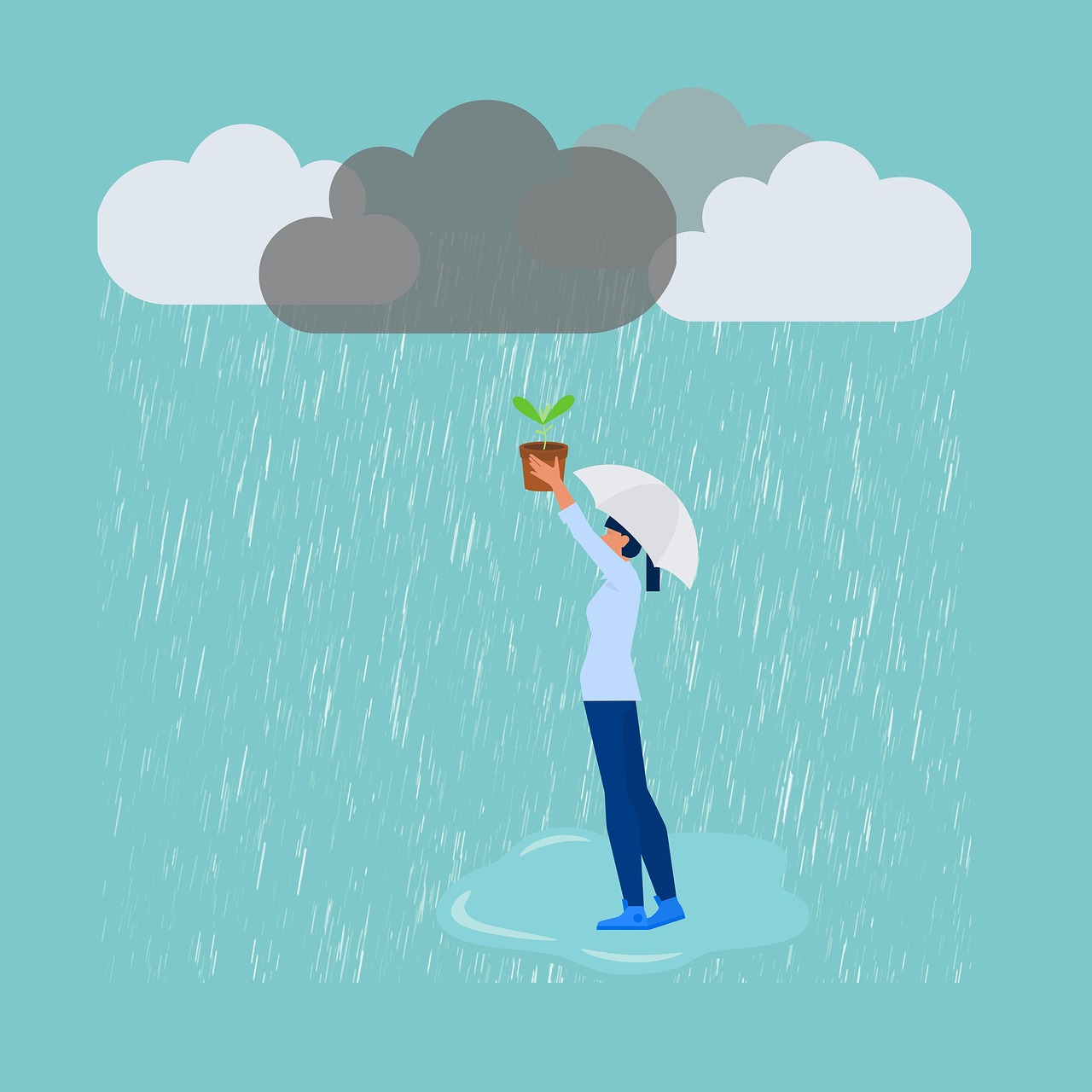
Is it true that ‘what doesn’t kill you makes you stronger’? Or could it be that sometimes, hardship just leaves scars?
Many people in their mid-20s to late 30s have faced significant challenges like job loss or breakups and may still be processing the aftermath. This post will explore the surprising ways that hardship can actually make us stronger, delving into the psychology behind resilience and post-traumatic growth.
We’ll examine how adversity builds resilience, fosters personal growth, and ultimately shapes us into more capable individuals.
The Resilience Reflex: How Hardship Rewires Us
Understanding the Biology of Resilience
Resilience is not just a personality trait; it’s also a process influenced by biological factors. Our brains and nervous systems adapt to stress.
Overcoming challenges can increase our capacity to handle future stress. Think of it like building muscle through exercise; facing difficulties can strengthen our “resilience reflex”.
The Psychology of Bouncing Back
Psychological theories like self-efficacy and learned optimism relate to resilience. Self-efficacy is the belief in your ability to succeed in specific situations. Learned optimism involves cultivating a positive outlook.
Mindset and cognitive reframing are crucial in the resilience process. Shifting negative thought patterns into more positive and constructive ones is essential. For example, instead of “I always fail,” try, “I can learn from this and improve.”
The Unexpected Gifts: Personal Growth After Hardship
Post-Traumatic Growth: Finding Light in the Dark
Post-traumatic growth (PTG) is the positive psychological change experienced as a result of struggling with highly challenging life circumstances. It’s more than simply “bouncing back”.
PTG research identifies common areas of growth, including a greater appreciation for life, stronger relationships, and increased personal strength. Imagine someone who overcomes a serious illness. They might develop a deeper appreciation for their health and loved ones.
The “Hidden Curriculum” of Hardship
Hardship teaches us unspoken lessons and skills, like a “hidden curriculum”. Just as school teaches us academic subjects, hardship teaches us valuable life skills.
Specific “hidden curriculum” lessons include:
- Increased empathy and compassion
- Enhanced problem-solving skills
- A stronger sense of self
- Greater appreciation for relationships
- A clearer sense of purpose
For example, overcoming financial difficulties can enhance problem-solving skills and foster self-reliance.
Reframing Your Narrative: From Victim to Survivor to Thriver
The Power of Storytelling
The way we tell our own story influences our sense of self and our ability to heal. There’s a big difference between a victim narrative and a survivor narrative.
A victim narrative might focus on helplessness and blame, while a survivor narrative emphasizes agency and growth. Actively reframe your personal narrative, focusing on your resilience and growth. Identify your strengths and rewrite your story.
Embracing Your Scars: Strength in Vulnerability
Self-acceptance and embracing vulnerability are essential. Our “scars” (emotional wounds) are not signs of weakness but badges of honor that tell a story of strength.
Connect with others and share your stories to foster healing and build community. Shared experiences and mutual support are powerful.
Conclusion
Hardship can be a powerful catalyst for growth and resilience. Reflect on your own experiences and consider how you have become stronger through adversity. Share your thoughts in the comments or connect on social media